Private cohorts for operations teams
Start with one situation your team needs to handle better.
Tell us who is involved, what they are responsible for, and where confidence or consistency needs to improve across rotating shifts.
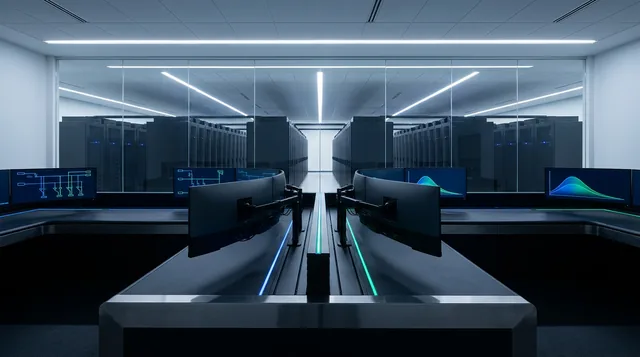
Where training can help
Begin with the work, not a package.
A useful team program starts with a responsibility, a risk, or a recurring moment that deserves better practice.
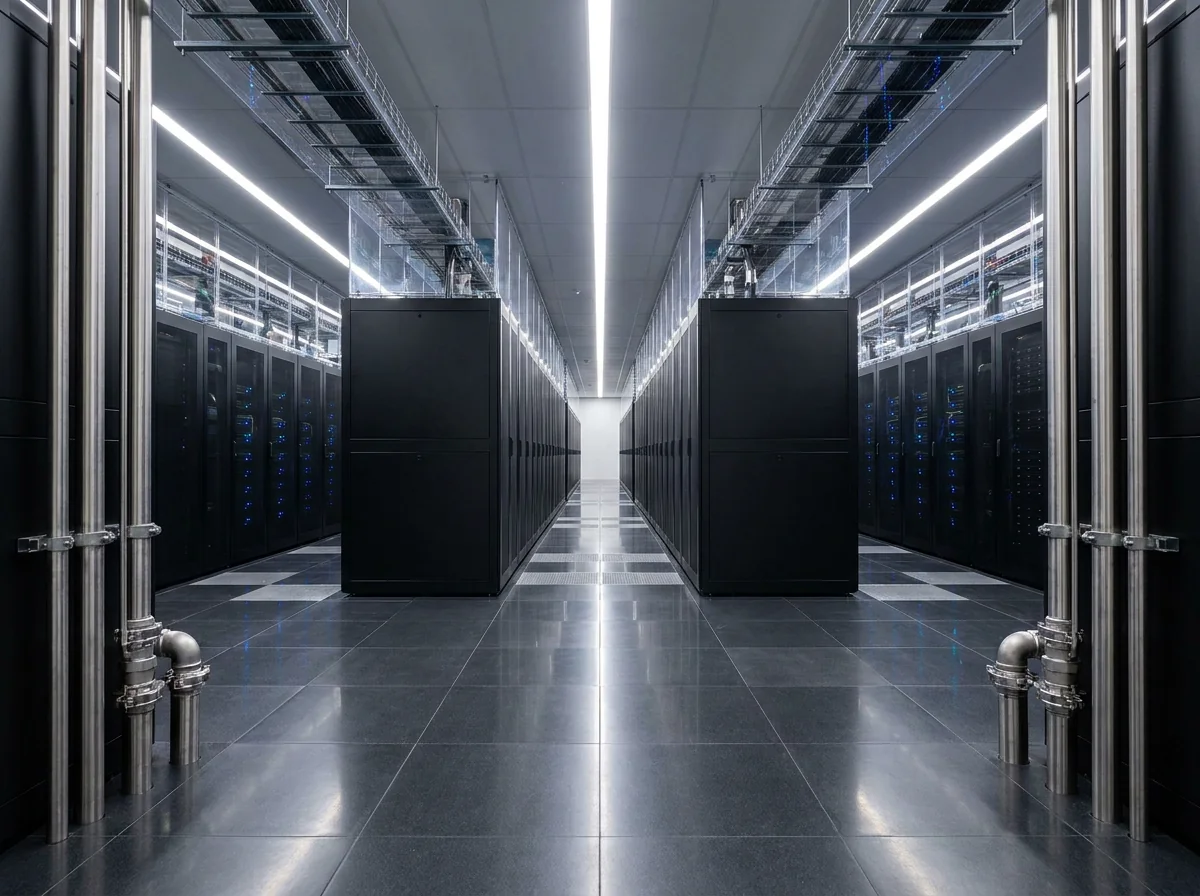 Onboarding
New people need the whole picture
Give career starters and adjacent technical hires a shared view of the facility before they specialize.
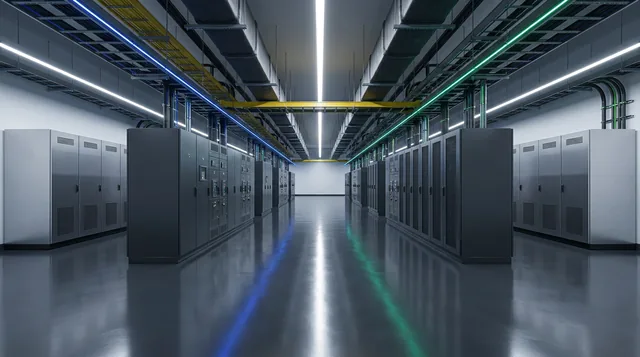
The Critical Floor · Utility to Rack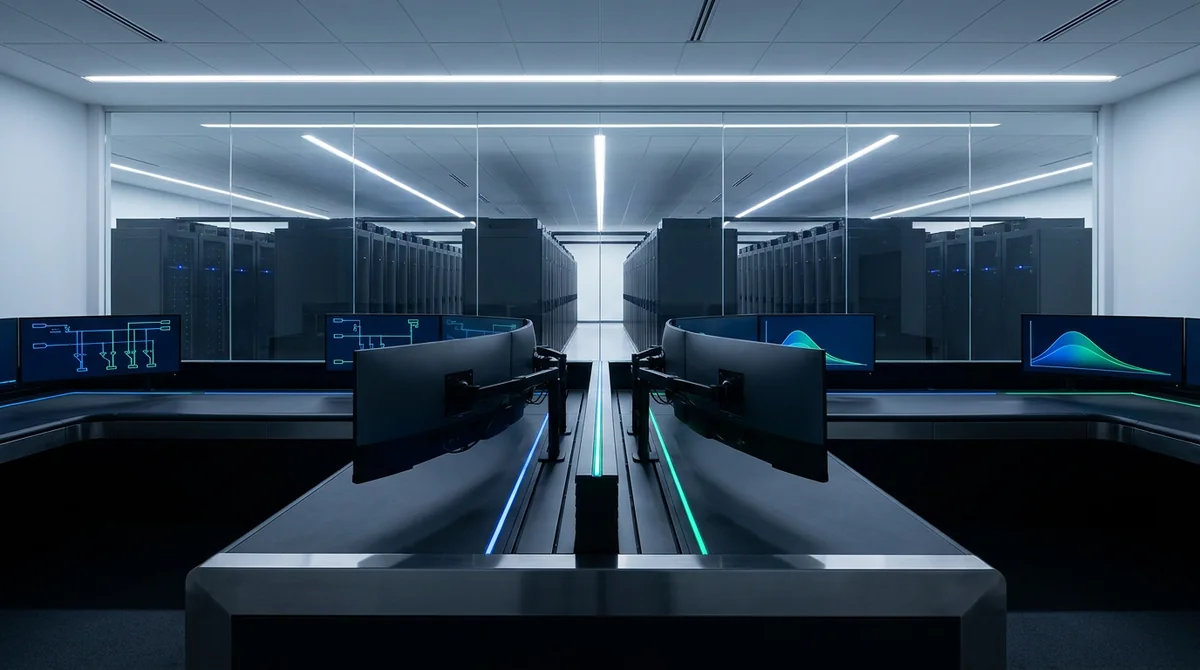 Change & response
The team needs to practice together
Work through the alarms, handovers, procedure checks, and communication habits involved in a real operating situation.
Runbook Under Pressure · Signal Room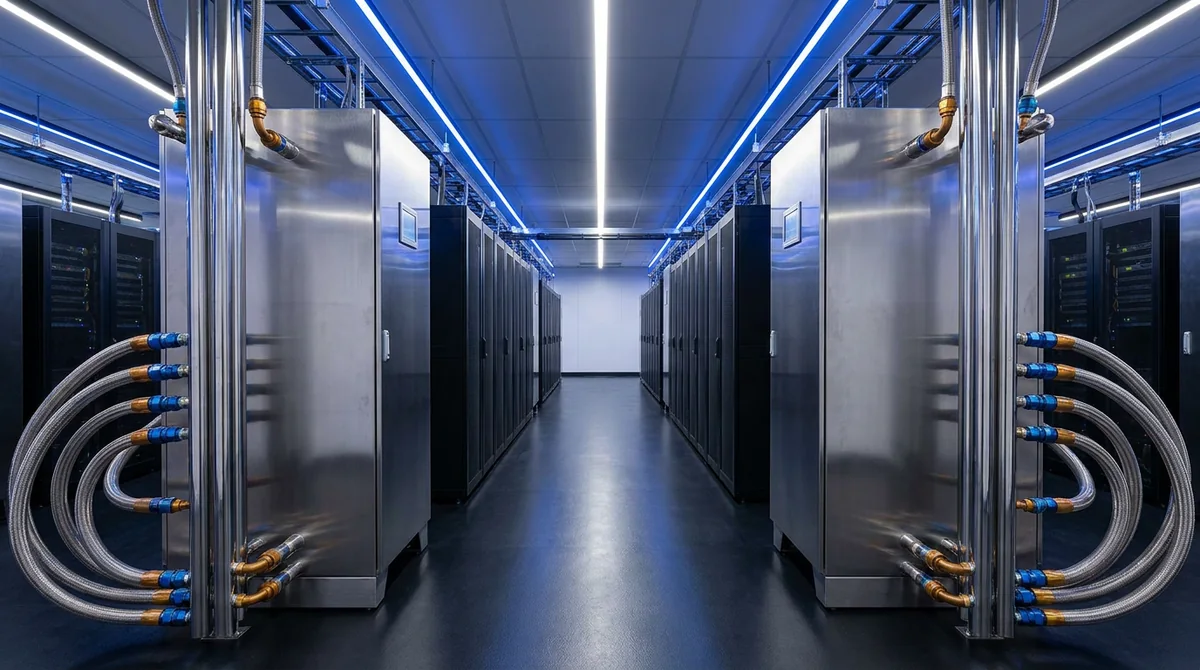 High-density transition
Next-generation halls change the rules
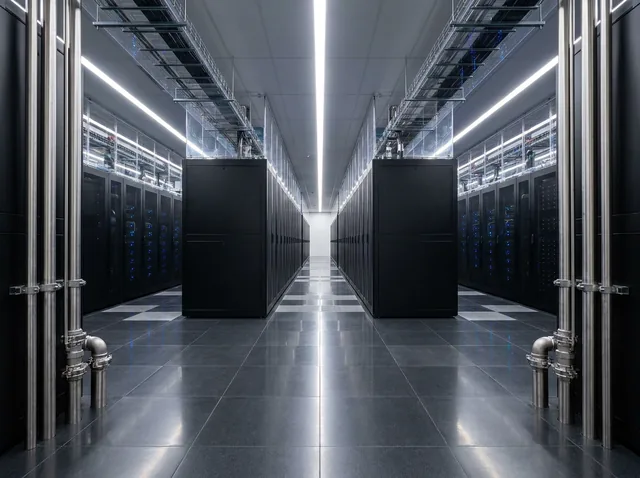
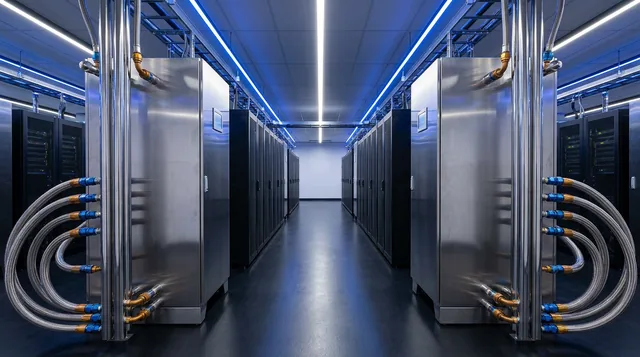
Prepare mechanical, electrical, and white-space teams for liquid cooling loops, CDU boundaries, and steep GPU load transients.
Thermal Reality · AI Density Lab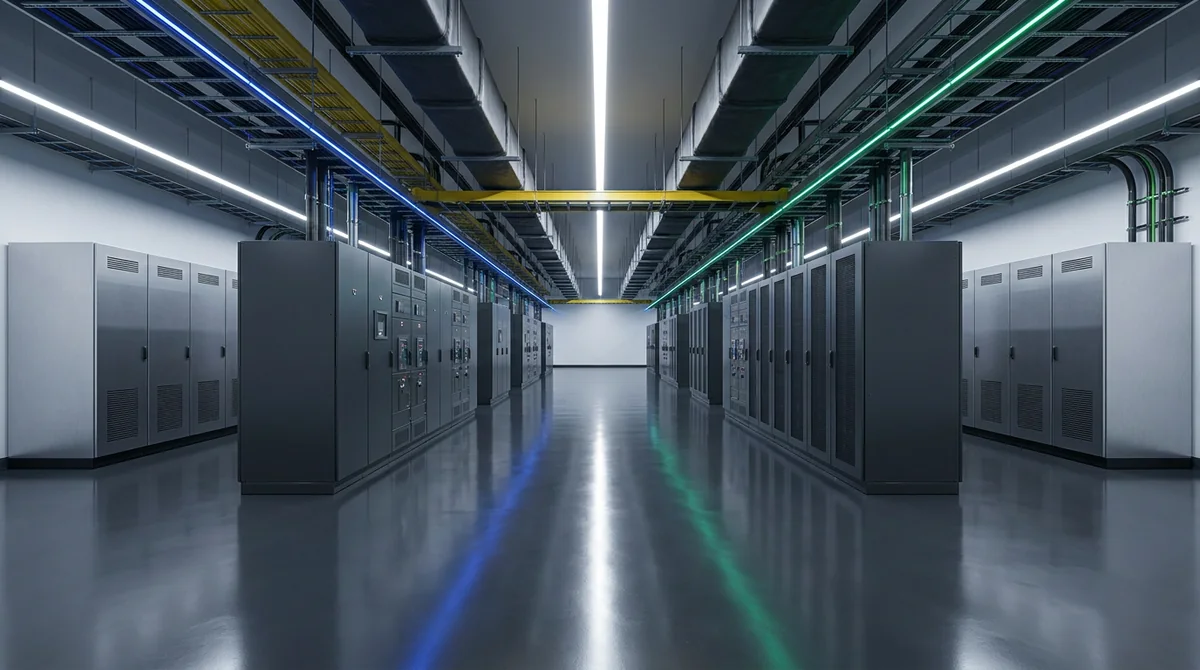 Shift leadership
Good habits need to survive every handover
Make briefings, role clarity, drills, debriefs, and decision ownership more consistent across shifts.
The Shift Lead
Cohort configurator
Scope a private cohort in 30 seconds.
Select your highest-priority operational situation and primary shift audience to preview a recommended course sequence, then load it directly into your enquiry below.
Standardize MOP pre-mortems, hold-point stops, and alarm-flood triage across shifts.
Emphasizes cross-domain loop correlation, degraded 2N/CHW margins, and MOP redlining.
- Site topology intake
- Guided system modules
- Live shift simulation
- Shared team deliverable
Redlined switching MOP package + standardized root-vs-sympathy alarm escalation protocol.
How a team program is shaped
Built around a situation your people recognize.
Before proposing a format, we use your context to understand the roles, systems, decisions, and training boundary involved.
Name the operating need
Start with one situation the team must understand, prevent, or handle more consistently.
Set the right boundary
Clarify roles, experience, local procedures, and the line between education and site authorization.
Choose the practice
Build discussion and decisions around systems and scenarios the group can recognize.
Make progress visible
Use a shared project and debrief to expose gaps, reasoning, and useful follow-up.
The training boundary
Your site still owns qualification and authorization.
Education can support readiness. Employers remain responsible for local procedures, electrical and safety qualification, equipment-specific instruction, supervised practice, and authorization to perform work.
- End-to-end electrical, thermal, liquid-cooling, and BMS/EPMS system mental models
- Scenario-based alarm triage, MOP pre-mortem redlining, and hold-gate judgment
- Shared engineering work products and structured shift-handover templates
- Site-specific SOPs, MOPs, EOPs, switching authority, and LOTO / permit issuance
- NFPA 70E / local electrical safety qualification and hands-on OEM commissioning
- Supervised floor sign-off and formal authorization to operate live equipment